
Exploring Explainable AI for Creative Workflows
Perception is an AI-powered color platform that helps designers discover palettes based on the feeling or idea they want to convey.Rather than starting with specific color values, designers could search by concept, explore related ideas, and use confidence scores to understand how closely different palettes aligned with their creative intent.The challenge wasn't simply generating colors with AI. It was exploring how AI could support creativity while still giving designers understanding and control.
Design Lead | 2023-2024
As Design Lead, I guided the product experience from early exploration through beta, working with Product, Engineering, Design, and Data Science to turn emerging AI capabilities into useful creative workflows for designers.
The Opportunity
How might we help designers explore color through meaning and emotion while making AI-generated results understandable enough to trust?
Inspired by Shigenobu Kobayashi's Color Image Scale, Perception explored the relationship between color, language, and emotion through emerging AI technology. Our Head of Design saw an opportunity to build on those principles while our data science team explored new ways to uncover relationships between color and meaning.The idea initially centered on helping people find colors that expressed the feeling they wanted for a brand or campaign. As the product evolved, we saw a more focused opportunity to help designers bridge the gap between creative intent and color selection.
Designing Around Creative Intent
I joined the project after early wireframes had been developed and helped guide the experience from those initial explorations through beta. Instead of requiring designers to begin with a specific color, Perception allowed them to start with what they wanted the color to communicate.Designers could enter a term, explore palettes associated with it, and discover related concepts to refine their direction.“What color am I looking for?” became “What do I want this to feel like?”


Making AI Easier to Understand
We didn't want Perception to feel like a black box that simply generated results. One way we approached explainability was through confidence scores. Results included a percentage showing how closely the system associated a palette with the concept being explored giving designers another signal they could use while evaluating different directions.This reinforced a principle that became important to my work on the product: AI should support creative judgment, not obscure it.

Testing with Designers
As Perception evolved, we wanted to better understand how it could fit into designers' existing creative workflows.I helped organize usability testing, developed the test form, and worked with our design team to recruit designers to participate. The goal was to test our assumptions about the experience and identify where Perception could provide the most value within the creative process.The study was still underway when my time with the company came to an end so I wasn't part of the final analysis.

Designing for Growth
As Perception gained capabilities, our original single-surface experience became increasingly complex. More functionality gave designers more ways to work with color, but it also made the experience harder to understand.Rather than continuing to add controls to the same interface, we began organizing capabilities into more focused tools and reusable interaction patterns.Perception started evolving from one increasingly complicated interface into a connected suite of tools giving the product more room to grow as new capabilities emerged.


Extending Beyond the Standalone Product
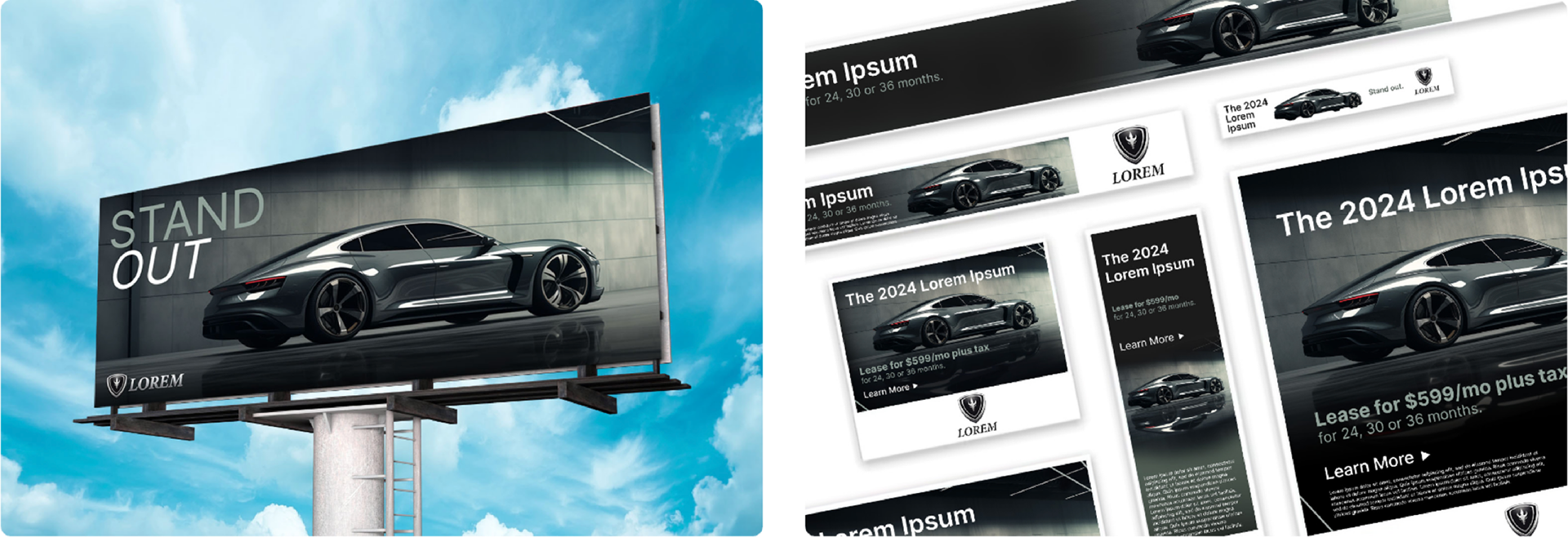
We also partnered with Playbook as part of an effort to reach a broader creative audience.Playbook was building a space for teams to store, collaborate on, and share creative assets. We worked directly with their designers, developers, and leadership to explore how Perception could fit within their product and adjusted parts of our experience for that context.The partnership pushed my thinking beyond the standalone product toward how an experience could adapt within a broader creative ecosystem.

Outcome
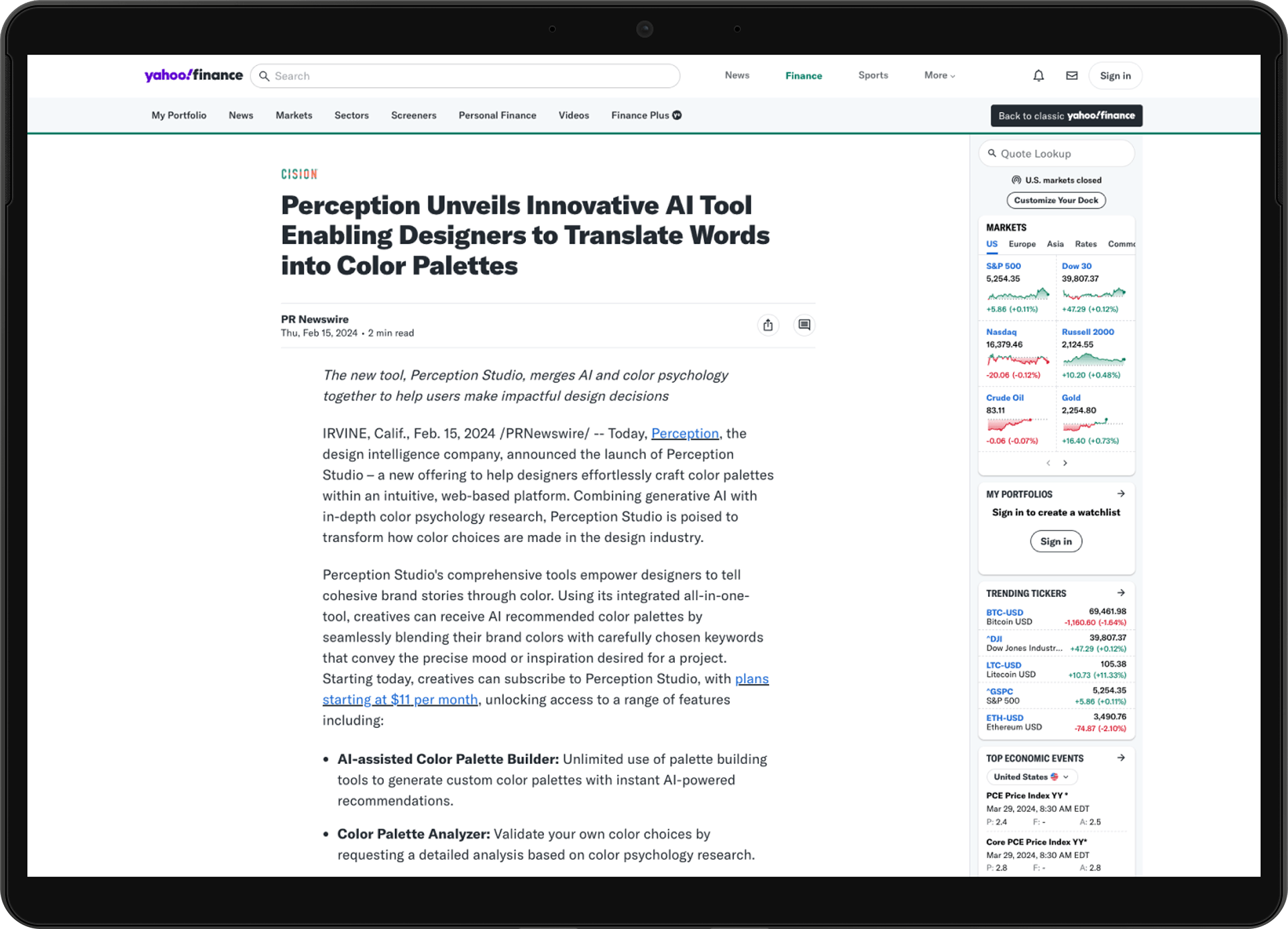
Perception launched in beta in June 2023 and reached 10,000 users within six months.The product grew beyond its initial palette concept into a collection of AI-assisted color tools while the Playbook partnership gave us an opportunity to explore how Perception could extend into an established creative platform.
How This Shaped My Approach
Perception changed how I thought about designing for emerging technology. The interesting challenge wasn't just what AI could generate, but how people could understand, direct, and trust what it produced.It also pushed me to think beyond individual features toward systems that could evolve with both the technology and the people using it. Those lessons around product strategy, explainability, and systems thinking continue to influence how I approach product design.
©2026 • Elliot Yamashiro